
Ethically Sourced
Sapphires chosen for colour. Set for daily wear.
We source natural sapphires for bespoke engagement rings and fine jewellery. Every stone is assessed for colour, clarity, treatment, and wearability before we recommend it.
Colour & Character
Blue sapphire colour range
From pastel through to deep royal tones; brightness matters.
Blue sapphires sit on a spectrum from airy pastel, through cornflower and peacock tones, to deeper velvet and royal blues. We look for colour that stays clean across the face of the stone, with strong saturation and a lively return of light.
If a sapphire is too dark, it can read inky indoors; if it is too light, it can lose presence on the hand. We will guide you to a tone that holds its character in real world lighting.

Beyond Blue
Sapphire colours beyond blue
Beautiful options — availability and pricing vary by rarity and quality.
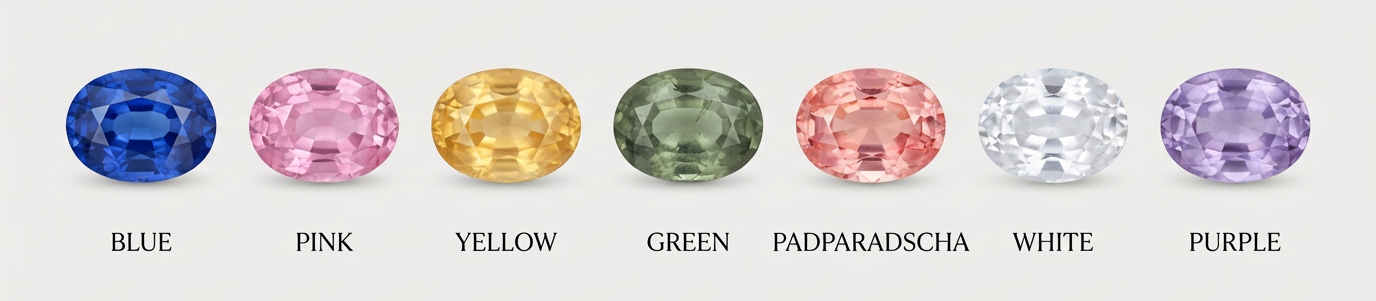
Sapphires occur in a wide range of colours: pink, yellow, green, purple, white, padparadscha, and colour change. These can be less common in fine quality, particularly as carat weight increases. Colour names are useful shorthand, but real quality comes from hue, tone, saturation, and cut performance working together. If you have a specific colour in mind, we will source to brief and explain trade-offs clearly, including durability considerations and realistic budgets for your target size.
Popular searches we can help with
Sapphire ring styles people compare most
Sapphire searches are especially strong around vintage styling, white gold settings and sapphire-and-diamond engagement rings.
Engagement rings
Sapphire and diamond engagement rings
Sapphire and diamond engagement rings combine colour with brightness, from classic three-stone designs to more contemporary asymmetric settings.
Style
Vintage sapphire rings
Vintage-inspired sapphire rings can use milgrain, halos, trilogy layouts or warmer gold tones without needing to copy an antique exactly.
Metal choice
White gold and sapphire rings
White gold and platinum make blue sapphires feel crisp and formal, while yellow gold creates a richer contrast.
Clarity, in practical terms
Sapphires can have inclusions. The question is how they present.
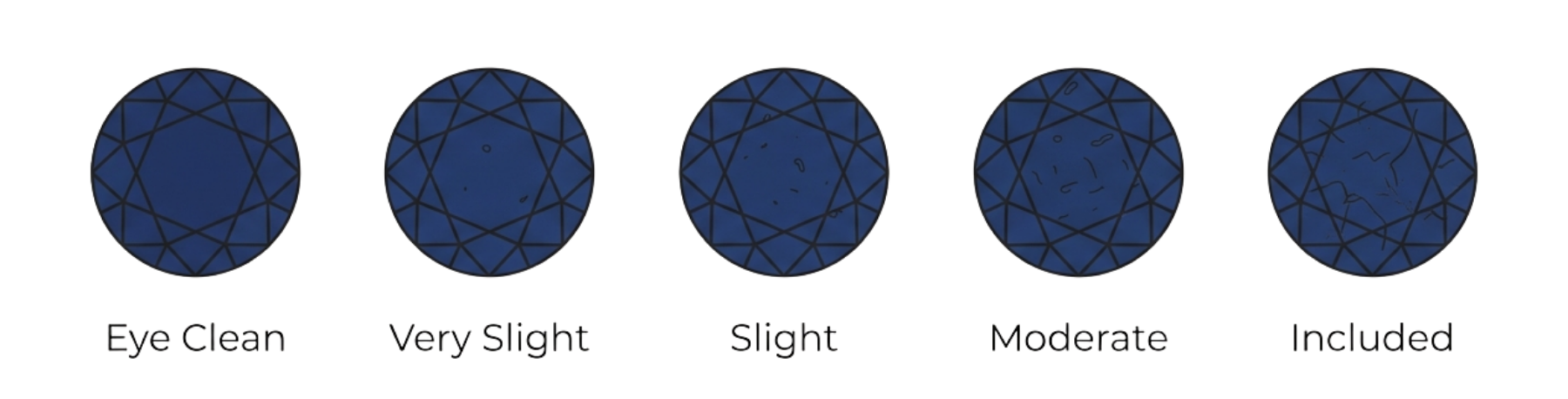
Natural sapphires often contain inclusions, and many are not visible without magnification. What matters is whether the stone looks crisp to the eye at normal viewing distance and whether inclusions reduce brilliance or create haziness. We prioritise sapphires with strong transparency and a lively face up look, so the colour remains the centrepiece.
Eye Clean | Very Slight | Slight | Moderate | Included
No inclusions visible to the naked eye at normal viewing distance. The sapphire looks transparent and lively. Our preferred starting point for fine stones.
Very minor inclusions not visible at normal viewing distance. Still appears clean and bright face up. Excellent value at this grade.
Small inclusions visible on close inspection. Do not significantly affect face up appearance at arm's length. Acceptable where colour is exceptional.
Inclusions clearly visible and may affect brightness. Price should reflect the trade-off. We advise carefully at this level.
Inclusions noticeably affect transparency or brilliance face up. We rarely recommend stones at this grade for jewellery use.
We prioritise sapphires that appear crisp and transparent face up at arm's length. Inclusions should feel like character rather than distraction. Haziness or veiling that dulls the colour is always a reason to look further.
A heavily included sapphire may look acceptable in isolation but lose its presence once set, especially in lower light. We discuss practical clarity expectations before any stone is selected for setting.
Origin and provenance
Where a sapphire comes from can significantly influence its value — when the evidence supports it.
Origin can significantly influence a sapphire's market value, but it should always be evaluated alongside colour, clarity, and cut. A Kashmir sapphire commands a premium almost regardless of other characteristics; fine Ceylon and Burma material follows closely. We prioritise the sapphire's beauty, performance, and suitability for long term wear, and we keep provenance clear and honest.

Australia · Burma · Cambodia · Ceylon · Kashmir · Madagascar · Montana · Sri Lanka · Tanzania
What origin means in practice
Origin can add significant value when the stone quality supports it and the documentation is reliable. Kashmir sapphires remain the most coveted; fine Ceylon and Burma material follows closely. We explain what evidence exists and how much weight it should carry in your decision.
-
Kashmir
The most coveted sapphire origin. Kashmir stones exhibit a distinctive velvety cornflower blue with a soft, sleepy quality caused by fine silk inclusions. Supply is extremely limited as the mines have been largely exhausted.
-
Burma & Ceylon
The two classic trade origins after Kashmir. Ceylon (Sri Lanka) sapphires are prized for their bright, vivid blues and excellent transparency. Burmese sapphires tend toward a deeper, richer tone with strong saturation.
-
Madagascar
Now one of the most significant modern sources globally. Madagascan sapphires span a wide colour range and can reach very high quality. Material from Ilakaka and surrounding areas is widely traded.
-
Other origins
Thailand, Cambodia, Montana, Australia, and Tanzania each produce distinctive sapphire material. Quality and documentation vary considerably — we assess each stone on its own merits and explain what provenance evidence exists.
Treatment and disclosure
Treatments and transparency
Clear information supports confident buying.
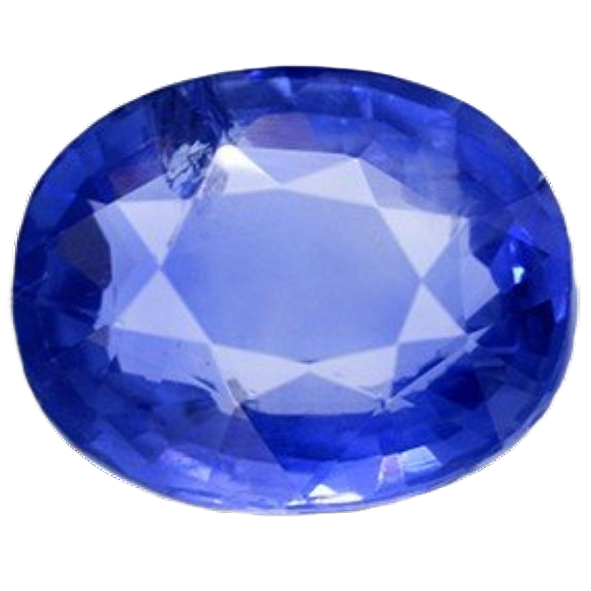
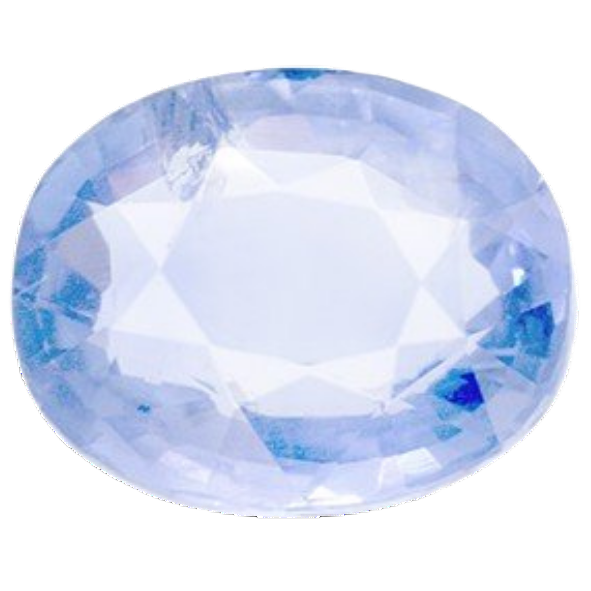
Most sapphires on the market have been heat treated. This is a well-established, widely accepted process that improves colour and clarity, and it does not diminish the stone's beauty or durability. What matters is knowing what treatment was applied, to what degree, and whether the price reflects it honestly.
Drag to compare - Heat treatment effect
Understanding heat treatment
Unheated
An unheated sapphire has developed its colour entirely through natural geological processes over millions of years. No heat has been applied. These stones are rarer and command a significant premium, particularly for fine colour material from Kashmir, Burma, and Ceylon. Certification from a recognised laboratory confirming no heat is essential to support the premium.
Rarest - Significant premiumHeated
Heat treatment is the standard enhancement for sapphire and is accepted throughout the trade. Controlled high-temperature heating dissolves silk inclusions, improving clarity, and intensifies or homogenises colour saturation. The result is a more even, vivid blue. The stone's structure and durability are not affected.
Standard - Widely acceptedOther sapphire treatments
Less common treatments that affect value and require disclosure
Lattice Diffusion
A high-temperature process that diffuses elements such as beryllium or titanium deep into the stone, altering colour throughout or at the surface. Widely used to create or intensify orange and yellow tones in corundum. Requires advanced laboratory testing to detect reliably. A significant treatment that must always be disclosed and materially reduces value relative to untreated stones of comparable appearance.
Significant - Lab testing requiredSurface Diffusion
An older diffusion technique that alters colour only in a very thin surface layer. The colour change can be removed by recutting or regrinding. Less common than lattice diffusion and generally considered more problematic. Must be disclosed and significantly affects value.
Surface only - Not durableFracture Filling
Glass or other filler material is used to fill surface-reaching fractures, improving apparent clarity. Uncommon in sapphire compared to ruby, but occasionally seen in lower-quality material. Reduces durability and value. Not suitable for high-wear settings and can be damaged by heat during resizing or repair.
Significant - Disclose fullyIrradiation
Exposure to radiation can temporarily improve or alter colour in some corundum. Effects are often unstable and can fade with exposure to heat or light over time. Rarely seen in reputable trade stones but requires disclosure when detected. Laboratory testing is necessary to confirm.
Unstable - Disclosure requiredSapphire vs other gemstones
Every stone has a character. Here is how sapphire sits alongside the alternatives.
| EmeraldColour and character | SapphireClassic and durable | RubyRare and vivid | DiamondBrilliance and hardness | |
|---|---|---|---|---|
| Colour character | Warm, vivid green — unique among gemstones | Rich blue to blue-green range | Pure red — the rarest vivid colour | Colourless — brilliance over colour |
| Durability | 7.5–8 Mohs, prone to chipping | 9 Mohs, excellent for daily wear | 9 Mohs, very durable | 10 Mohs, hardest natural material |
| Rarity | Fine colour is genuinely scarce | Good quality readily available | Fine unheated rubies extremely rare | Abundant at commercial grades |
| Treatment | Oiling is universal and accepted | Heat treatment is standard | Heat and fracture filling common | Most are natural, some laser-drilled |
| Value retention | Strong for certified fine stones | Consistent long-term demand | Finest examples appreciate strongly | Commodity grades less reliable |
| Care required | No ultrasonics, gentle cleaning only | Low maintenance, easy to clean | Low maintenance, very robust | Minimal care needed |
| Price per carat | Premium for fine colour and low oil | Fine Kashmir or Burma commands premium | Highest per-carat of the three | Wide range by cut and certification |
| Character | Jardin inclusions add individuality | Clean, consistent appearance | Silk inclusions can confirm origin | Standardised grading, less unique |
Frequently asked questions
Yes. Sapphire is one of the most durable gemstones available, sitting at 9 on the Mohs hardness scale — second only to diamond. It is well suited to daily wear in a ring when set with appropriate protection. The combination of hardness, colour range, and wearability makes sapphire one of the most practical choices for an engagement ring alongside diamond.
Yes. We recommend independent laboratory certification for any sapphire of significant value. Reports from GIA, Gübelin, or SSEF confirm whether the stone is natural, assess treatment type and degree, and in many cases confirm geographic origin. We advise on which laboratory is most appropriate for the stone in question and assist with the process where needed.
Not inherently. Heat treatment is the most common enhancement for sapphire and is widely accepted in the trade. What matters is full disclosure, appropriate pricing, and matching expectations to the treatment level. A heated sapphire of exceptional colour is a beautiful and sensible choice. We explain treatment for every stone we recommend. Where a stone has been subject to more significant enhancement such as lattice diffusion, we say so clearly and price accordingly.
Yes — and this is usually the better approach. The ring should be designed around the stone, not the other way around. Once you have confirmed a sapphire, we design the setting to suit its specific dimensions, depth, and character. This produces a more considered result than designing to a generic specification and finding a stone to fit it.
Yes. We source to brief. Tell us the colour range you prefer, the approximate carat weight, your treatment tolerance, and any origin preference. We search our network and present a shortlist with video, photography, and documentation for each stone. Nothing is committed at this stage. You select only if you are confident in what you are looking at.
Yes. Our entire process — stone sourcing, design, approval, and delivery — can be completed remotely. Many of our clients have never visited us in person. We provide detailed video footage and photography of every stone before commitment, and we use video consultation for design reviews. Finished pieces are delivered securely across the UK and internationally.
Still have a question? Our team typically responds within one business day.
The process
Typical timeline
Most bespoke sapphire rings take around four to six weeks from approved design to completion. If you have a deadline, include it in your enquiry.
Brief and stone shortlist
We discuss colour preference, size, treatment tolerance, budget, and how the ring will be worn daily. This shapes the sourcing brief.
Stone sourcing and options
We search our network and present a shortlist with video, photography, and laboratory documentation for each stone. Nothing is committed at this stage.
Stone selection and approval
You confirm the final design, stone selection, and agreed pricing. Nothing moves forward without this.
Design, production, and delivery
We design around your stone, refine proportions, cast, set, and finish. You approve the CAD before production begins.
Bespoke · Made to Order · UK Based
Ready to find your sapphire?
We source stones to brief, present options with full documentation, and design around your stone once you are confident in it. No pressure, no commitment until you are ready.